BSS
  16 Jun 2026, 17:04

35 varieties of hill-grown mangoes eye global market; entrepreneurs seek govt support

Photo: BSS

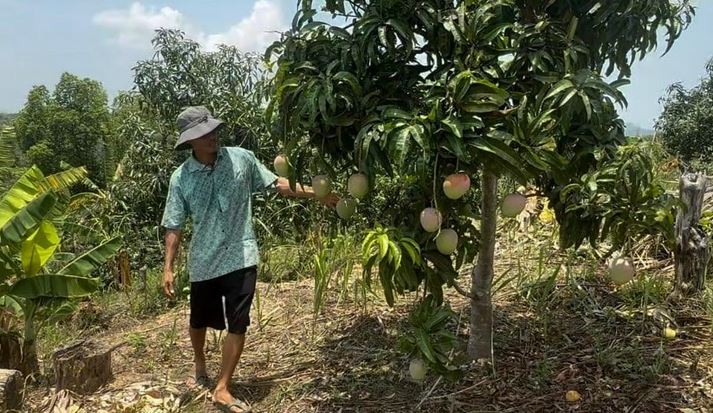
RANGAMATI, June 16, 2026 (BSS) - Two young entrepreneurs of the district have transformed nearly 30 acres of abandoned hilly land into a thriving mango orchard, cultivating around 35 local and international varieties of mangoes and nurturing ambitions of entering the global export market.

Entrepreneurs Chiku Chakma and Palash Chakma established the orchard in the remote Morishabil area of Balukhali union in Sadar upazila four years ago. Their initiative has since emerged as a symbol of the agricultural potential of the hill districts.

The orchard’s unique attraction is its collection of colorful and premium-quality mango varieties, including the world-renowned Japanese Miyazaki (Sun Egg), along with Black Stone, Kiuzai, Red Ivory, King of Chakapat, Simuang, Bari-13, Austin, Pujachuria, Puja Arunima, Ambika, Artwitu, Golap Khas, Tri Test, Red Palmer, Kensington Pride, Valecia Pride, Nam Dokmai, Brunei King, Bari-4 and Kacha-Mitha Baromasi, among others.

The entrepreneurs said the mangoes are cultivated using modern fruit bagging technology, ensuring pesticide-free, safe, and high-quality production that meets international standards.

"We’ve proved that high-quality mangoes can be produced in the hills through hard work and modern technology. This year, we expect to earn between Taka 20 lakh and Taka 30 lakh from the orchard," Chiku Chakma told BSS.

Palash Chakma said their next goal is to establish a strong brand identity for Rangamati mangoes and expand into international markets.

"Our mangoes are already being sold across the district and other parts of the country. Now we want to take them to the world market. We are working closely with the Agriculture Department to achieve that goal," he said.

According to the entrepreneurs, government assistance in export certification, packaging, and market access would help them begin exporting their produce abroad in the near future.

Agriculture experts have praised the initiative for demonstrating the commercial viability of fruit cultivation on previously unused hilly land.

Prominent agronomist Pawan Kumar Chakma, who recently visited the orchard, described it as a remarkable achievement.

"The quality of the mangoes is excellent and suitable for international markets. Proper export-standard packaging is now the key requirement. If that can be ensured, these mangoes can enhance Bangladesh's reputation abroad and showcase the agricultural potential of the hill regions," he said.

Rangamati Sadar Upazila Agriculture Department has been supporting the project since its inception through technical guidance and field-level assistance.

Deputy Assistant Agriculture Officer Debashish Dewan said the success of the two entrepreneurs has opened a new horizon for hill agriculture.

"They are receiving regular technical support from the Agriculture Department. Their success demonstrates how modern agricultural technologies can transform unused hilly land into productive orchards," he said.

The orchard currently features vibrant red, purple, golden, and green mangoes hanging in clusters across the hillsides, attracting attention from visitors and agricultural enthusiasts alike.

Modern fruit bagging technology, widely used in the orchard, protects the fruits from insects and adverse weather conditions while preserving their appearance and quality—two critical factors for export markets.

Agriculture stakeholders believe that with continued government support and investment, Rangamati's vast stretches of unused hilly land could become major centers for fruit production, generating employment, increasing exports, and contributing significantly to Bangladesh's agricultural economy.