Sunday
24 May, 2026
News Flash
News Flash
DHAKA, May 24 , 2026 (BSS) – The government is set to launch a nationwide “One Village One Product (OVOP)” scheme aimed at strengthening the rural economy, generating employment opportunities and promoting traditional local products in both domestic and international markets.
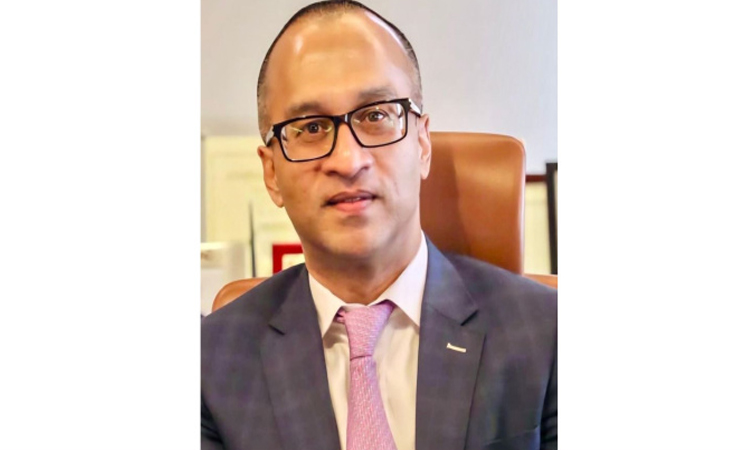
To implement the initiative, a committee led by Mashrur Arefin, who is also chairman of the Association of Bankers, Bangladesh (ABB) and managing director of The City Bank PLC, is working to finalize the framework of the programme.
Talking to BSS, Mashrur Arefin said the committee is working on identifying financing mechanisms, eligible sectors, operational guidelines and implementation strategies for participating banks.
“We are now making the financing policy to support village-based enterprises, agro-processing units, handicrafts, traditional products and rural SMEs. But, the size of the refinancing fund has not been fixed yet. We hope that the works of the committee will be completed within two to three months,” he said.
He said the initiative seeks to transform villages into specialised production hubs by encouraging each locality to focus on a unique product based on its natural resources, traditional skills and cultural heritage.
The programme is expected to increase productivity, enhance rural incomes and empower grassroots entrepreneurs, particularly women and youth, he added.
Under the programme, villages across the country are being identified for specific products such as handloom items, handicrafts, agro-based products, dairy goods, pottery, jute items, honey and processed foods.
Producers will also receive training, technological support, marketing assistance and financial facilities to improve product quality and competitiveness.
According to sources at Bangladesh Bank, the scheme aims to create employment opportunities for more than 10 million people while integrating rural products into national and global supply chains.
The central bank’s plan proposes a shift from conventional collateral-based lending toward value-chain financing covering production, processing, logistics and export activities.
Under the model, rural producers will be organised into clusters consisting of at least 50 producers within a five-kilometre radius in all 64 districts.
The initiative is built on seven key pillars, including product and cluster selection, value-chain linkage, financing and financial inclusion, market access and branding, institutional coordination, skills development and digital infrastructure.
Officials said every producer under the programme would receive a digital identity, while alternative-data credit scoring and QR-code traceability systems would also be introduced to modernise rural business operations.
A national brand titled “Bangladesh OVOP” is also planned to promote region-specific products such as Rajshahi mango and Jamdani saree alongside other culturally significant goods in international markets.
Experts believe the OVOP programme can play a vital role in reducing rural poverty and limiting migration to urban areas by creating sustainable economic opportunities at the grassroots level.
They also stressed the importance of branding, export promotion and digital marketing to ensure wider market access for village-based products.
Officials expressed optimism that the programme would contribute significantly to inclusive economic growth while preserving Bangladesh’s rich cultural heritage and strengthening the country’s rural production network.
Deputy Managing Director of Dutch-Bangla Bank PLC Mohammed Shahid Ullah said SMEs in rural areas are a vital engine of employment, income generation and local value addition, and their impact becomes more transformative when aligned with the OVOP approach.
“The model encourages each locality to specialise in a distinctive product based on its unique resources, skills and culture, such as agro-processing, handicrafts or niche foods, allowing SMEs to build competitive advantages, strengthen local supply chains and reduce dependency on urban migration,” he added.
He said integrating SMEs with OVOP can accelerate inclusive rural development, improve market access through branding and aggregation, and ultimately contribute to poverty reduction and balanced regional growth in Bangladesh.
He cited the “One Product, One Village” model implemented in countries like Thailand, where villagers produce high-quality goods at home and sell them internationally online, generating substantial economic activity.